How Much Does Furnace Replacement Cost?
The wide spread reflects real differences in equipment efficiency, system size, installation complexity, and what the existing setup requires before a new furnace can go in. Here is a breakdown of what drives the price and what you should expect to be included in a legitimate installation quote.
1. What Drives the Price of a New Furnace
The single biggest cost variable is efficiency rating. Furnace efficiency is measured in AFUE (Annual Fuel Utilization Efficiency) — the percentage of fuel that gets converted to heat. High-efficiency furnaces cost more upfront but meaningfully reduce monthly gas bills, especially where the heating season runs from October through April.
System size is the other major factor. Furnaces are rated in BTUs (British Thermal Units) per hour. A properly sized furnace is matched to your home's heat load through a Manual J calculation — accounting for square footage, ceiling height, insulation levels, window area, and local climate. Oversizing is a common mistake that leads to short cycling, uneven temperatures, and excess wear. Undersizing means the furnace runs constantly and still cannot keep up on the coldest days.
2. Single-Stage vs. Two-Stage vs. Variable-Speed
Single-stage furnaces operate at one output level — full blast or off. They are the most affordable option and work reliably, but they can create temperature swings and run louder than more advanced units. This produces more even temperatures, quieter operation, and better humidity control.
Variable-speed furnaces adjust output continuously across a wide range, running at the lowest capacity needed to maintain the set temperature. For homeowners planning to stay in the house long-term, the comfort improvement and energy savings often justify the difference.
3. What Installation Should Include
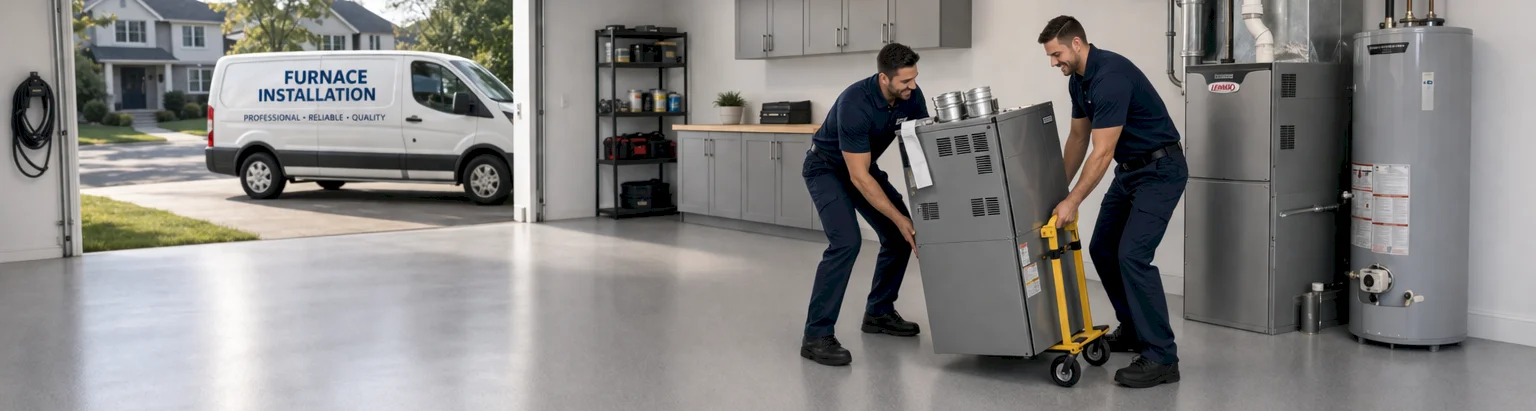
A proper furnace installation is more than swapping the equipment. The quote should include removal and disposal of the old unit, installation of the new furnace with all required connections (gas line, electrical, flue or PVC vent, condensate drain for high-efficiency units), a new thermostat if needed, and a startup test to verify the system is operating correctly and safely.
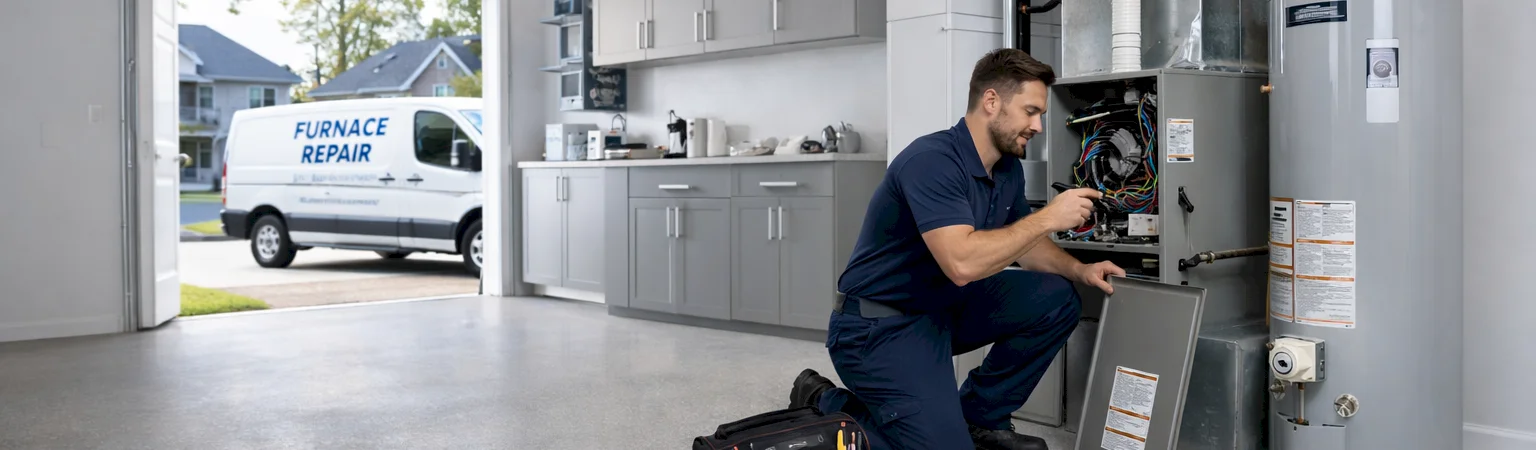
The technician should also check the heat exchanger for cracks before the installation is considered complete, verify gas pressure at the unit, and confirm that carbon monoxide levels are within safe limits. Any contractor who skips these steps is cutting corners. Ask specifically what the quote includes and get it in writing before agreeing to the work.
4. Additional Costs to Be Aware Of
If your existing ductwork is undersized, leaky, or in poor condition, addressing it at the time of furnace replacement is worth considering. Duct issues that were tolerable with an older system can become more noticeable with a new, properly sized furnace. A duct inspection and any necessary sealing or repairs will add to the total cost but improve system performance and efficiency.
Permits are required for furnace replacement in most jurisdictions. A reputable contractor will pull the permit and schedule the inspection — this is not optional, and a homeowner should be wary of any contractor who suggests skipping it.
If you are replacing an older furnace that used a standing pilot light, the gas valve, ignitor, and venting configuration will all be updated as part of the new installation. These are not add-ons — they are part of a complete, code-compliant job.
5. How to Compare Quotes
When getting multiple quotes, make sure you are comparing the same things. Ask each contractor to specify the equipment model number, AFUE rating, BTU capacity, warranty terms (both manufacturer and labor), and what is included in the installation.
Ask your contractor whether the equipment must be registered for warranty coverage and who will do it.
Still Have Questions?
This article is general educational information, not a quote or service promise. Contact details and scheduling for this business have not been configured yet.